SMC JA63-18-150 Floating Joint Bag
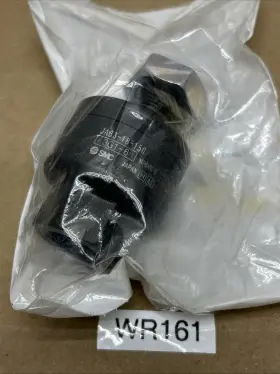
( Brand: Smc ), ( Manufacturer Part Number: JA63-18-150 ), ( Part Type: Joint Bag )
Review SMC Floating Joint New In Sealed Factory Bag Fast Shipping Warranty
Introducing the SMC JA63-18-150 Floating Joint Bag, a high-performance solution for pneumatic automation applications. This versatile bag is specifically designed to accommodate floating joint pneumatic cylinders, which allow for greater freedom of motion and flexibility in machinery design.
The SMC JA63-18-150 Floating Joint Bag is engineered with a robust, reinforced design. It is constructed from high-quality, impact-resistant materials that ensure durability and longevity, even in the most demanding industrial environments. The bag's dimensions are 18 inches in length, 15 inches in width, and 6 inches in height, making it an ideal fit for standard floating joint cylinders with a width of 1.5 inches and a length of up to 18 inches.
The SMC JA63-18-150 Floating Joint Bag features a convenient, easy-to-access mounting plate located at the bottom of the bag. This plate allows for secure attachment to machinery and simplifies installation, ensuring a stable and reliable connection between the cylinder and the bag. The mounting plate also includes a handy drain port, which facilitates easy removal of condensate and keeps the system running efficiently.
The SMC JA63-18-150 Floating Joint Bag is designed to work seamlessly with SMC's floating joint cylinders and is suitable for use in a wide range of industrial applications. These include material handling equipment, assembly lines, packaging systems, and any other machinery that requires precise, smooth motion and the flexibility offered by floating joint cylinders.
In summary, the SMC JA63-18-150 Floating Joint Bag is a reliable, high-performance component for pneumatic automation systems. Its robust construction, convenient design features, and compatibility with standard floating joint cylinders make it an essential addition to any industrial machinery setup.
The SMC JA63-18-150 floating joint is a hydraulic component used in various industrial applications, particularly in mobile hydraulic systems. This component is a floating joint, which means that it allows for some degree of misalignment between the connected hydraulic hoses. Here are some pros and cons of buying this floating joint:
Pros:1. Flexibility: The primary advantage of using a floating joint is its flexibility. It can accommodate misalignment between the connected hoses without causing damage to them or the hydraulic system.
2. Durability: SMC is a reputable manufacturer of hydraulic components, and the JA63-18-150 floating joint is known for its durability and resistance to wear and tear.
3. Easy to install: This floating joint is relatively easy to install, as it requires no special tools or expertise.
4. Cost-effective: Compared to other types of hydraulic joints, floating joints are generally more cost-effective due to their simplicity and ease of use.
Cons:1. Limited misalignment: While the SMC JA63-18-150 floating joint can accommodate some degree of misalignment, it has its limits. Excessive misalignment can cause damage to the joint or the connected hoses.
2. Not suitable for high-pressure applications: This floating joint is not suitable for high-pressure applications, as it may not be able to withstand the pressure without leaking or failing.
3. Requires regular maintenance: Like all hydraulic components, the floating joint requires regular maintenance to ensure its longevity and optimal performance.
In conclusion, the SMC JA63-18-150 floating joint is a cost-effective and durable hydraulic component that offers flexibility in accommodating misalignment between connected hoses. However, it has its limitations, including the amount of misalignment it can handle and its suitability for high-pressure applications. As with any hydraulic component, regular maintenance is required to ensure its optimal performance and longevity.
Recommendation: If you require a hydraulic component that can accommodate misalignment between connected hoses in a relatively low-pressure application, the SMC JA63-18-150 floating joint is a good option to consider. However, if you require a hydraulic component for a high-pressure application, you may need to consider other types of hydraulic joints or components that are better suited to those applications.
Details:
Thank-you and have a great day.
part #: ja6318150 prices
- $6.72-$84.00
specifications oldconstruct:
- brand: Smc
- mpn: Ja63-18-150
- part type: Joint Bag
general oldconstruct:
- Building Materials Supplies > Vintage Construction > Machine Parts Tools
- condition: New
shipping oldconstruct:
- carrier: UPS
- service: UPS Ground
- cost: $14.72
- class: Standard
- type: Calculated
- transit: 2-6 Days
returns oldconstruct:
- time: 30 Days
- policy: Returns Accepted
- paid by: Buyer
- method: Money back
seller oldconstruct:
- # reviews: 14155
- city: New Paris, Indiana
- rating: 100.0%
offer oldconstruct:
- quantity: 1
- best offers: True
- started: April 9, 2025
- sold: 0
- availability: In Stock
- options: Ship-to-home
payments oldconstruct:
- check
- wallet: Paypal
- credit card: Discover
- money order
- cash
- other
Smc JA63-18-150 Is Similar To:
- Smc 3g1-44c Floating Joint Usip (47.3% similar) Special instructions. Manufacturer part number: 3G1-44C. A previously used, fully functional product that may have some signs of cosmetic wear. Smc 3G1-44C floating joint. Smc 3G1-44C floating joint manufactured by...(September 10th, 2024)
- Smc Jaf140-30-150 Floating Joint Fnip (51.7% similar) Smc JAF140-30-150 floating joint manufactured by. Manufacturer part number: JAF140-30-150. Smc JAF140-30-150 floating joint. Special instructions. A new, unused item with no signs of wear. The item may be missing the original packaging...(October 18th, 2024)
- Smc Cka080-23-31126c-2a Double Knuckle Joint Fnfp (31.3% similar) Manufacturer part number: CKA080-23-31126C-2A. A brand-new, unused, unopened, undamaged item in its original packaging where is applicable. Smc CKA080-23-31126C-2A double knuckle joint manufactured by. Smc CKA080-23-31126C-2A double knuckle joint. Special instructions...(October 22nd, 2024)
- Smc Sf160-2000-dct109at Cdl Locking Cls1 One Way Lock-up Cylinder New nos (28.9% similar) Part #: Smc SF160-2000-DCT109AT for sale...(June 4th, 2025)